
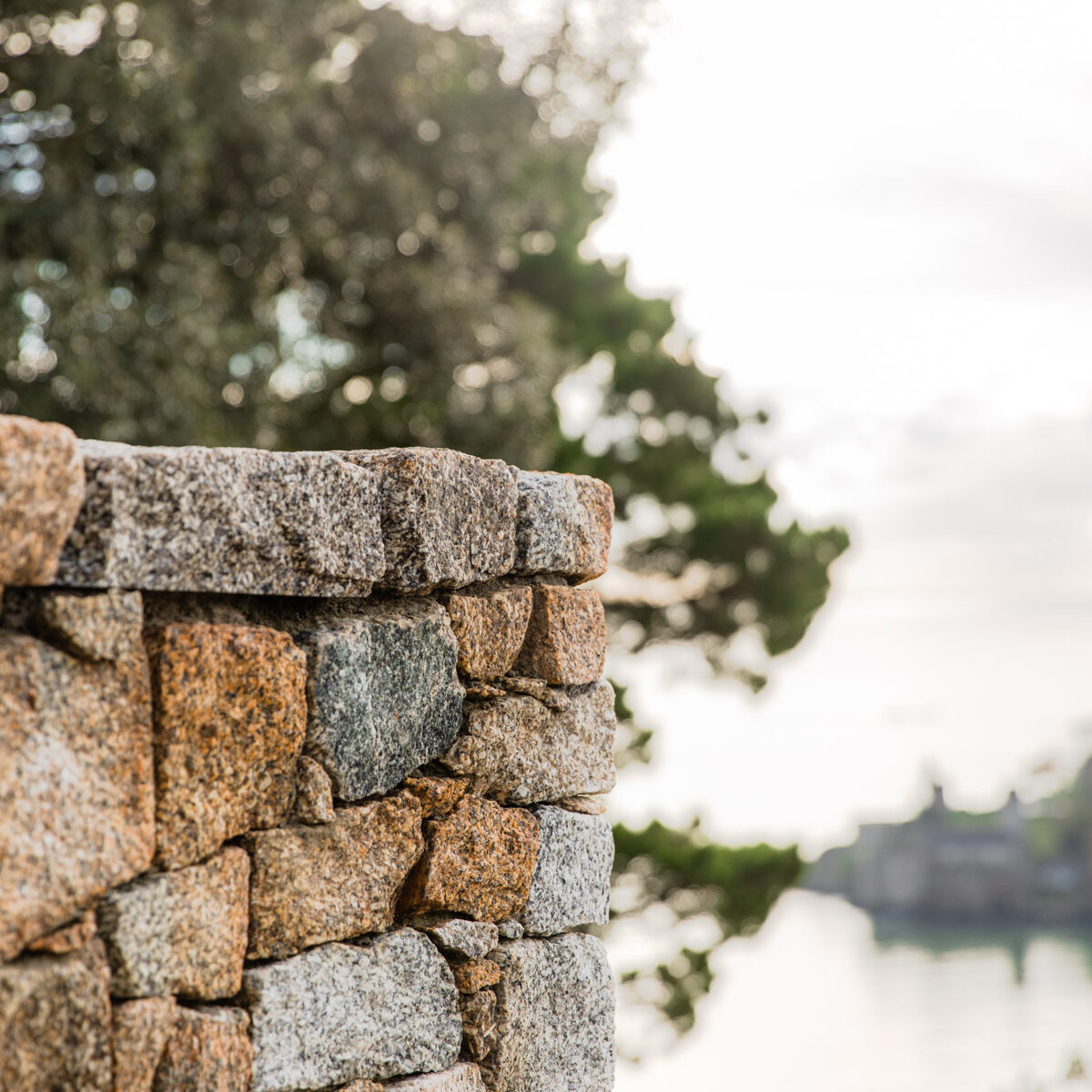
Walling stone sets the character of a wall for decades. Get it right and a garden wall, boundary or building facade looks as though it has always belonged; get it wrong and even careful workmanship can feel out of place. With natural stone, the choice is rarely about one ‘best’ option — it’s about matching the right stone, in the right finish, to your project and its setting.
At Caradon Stone, much of our walling comes straight from our own Cornish quarries, and our team — which includes a qualified geologist — helps people make that choice every day. This guide walks through the main things worth thinking about before you buy.
Start with the job the wall has to do
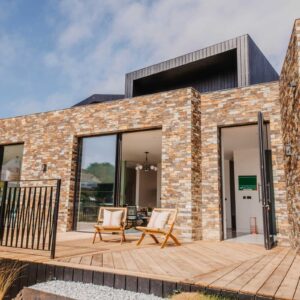
Before you look at colour or texture, think about what the wall is for. A dry stone boundary wall, a mortared garden wall, a retaining wall holding back a bank, a feature wall in a courtyard and the stone-clad face of a new build all ask slightly different things about the stone.
Structural walls need strength and a bed depth that courses well; decorative walls and cladding give you more freedom to lead with looks. Exposed and coastal sites, common across Cornwall and the wider South West, reward a hard-wearing stone that shrugs off weather. Once you know the wall’s job, the shortlist narrows quickly.
For more information on the right stone for your project you can also view our technical guidance in the Resources Hub.
Know your stone types
Different stones bring very different character. These are the four we’re asked about most.
Granite walling stone
The workhorse of British walling. Cornish granite is prized for its strength, weather resistance and low maintenance, with mixed grey and brown tones that suit almost any setting. It’s the most durable choice for exposed and coastal projects and ages beautifully. Our sawn Cornish granite walling and cropped Cornish granite cover both contemporary and traditional looks.
Caradon Stone offer bespoke Cornish granite walling stone for those who require a stone that is unique to their vision.
Slate walling stone
Slate walling offers striking colour and a fine, layered texture that catches the light. Rustic and blue/grey slate facing stone works especially well for feature walls and cladding where you want depth and movement in the surface.
Limestone walling stone
For a softer, lighter palette, limestone walling stone is hard to beat. Squared limestone walling in grey and blue tones gives a calmer, more uniform look that suits both cottage gardens and cleaner modern schemes.
Sandstone walling stone
Sandstone brings warmth, with honeyed harvest tones that feel welcoming underfoot and at eye level. It’s a popular choice where granite or slate would feel too cool.
Choose the right finish
The finish changes the whole personality of a wall, even within the same stone type.
Sawn stone has neat, consistent beds for tidy coursing and a more architectural, contemporary result. Cropped and split-faced stone gives a traditional, characterful face that’s ideal for cottages, rural boundaries and dry stone walling. Hammered and dressed stone sits between the two — refined, but unmistakably natural. If you’re restoring or extending an existing wall, matching the original finish matters as much as matching the stone.
Match the stone to its surroundings
A good wall responds to its context. For a period cottage or a heritage property, cropped and split-faced granite or slate keeps things authentic. For a contemporary build, sawn stone with clean coursing reads as deliberate and calm. In a coastal garden, prioritise a hard, weather-resistant stone. And if there’s existing stonework nearby, take a photo or a sample to us, our geologist can help you find the closest match rather than a clash.
Work out how much you need
Walling stone is usually sold by the tonne or the square metre. As a rough guide, one tonne of 100mm walling stone covers around 4m² of wall face. To estimate, measure the total face area of your wall (length × height), then allow a little extra for cutting and wastage. Bed depth affects both coverage and how the wall is built, so it’s worth confirming before you order. Our team can check quantities, bed depths and lead times for you.
Think about sourcing and sustainability
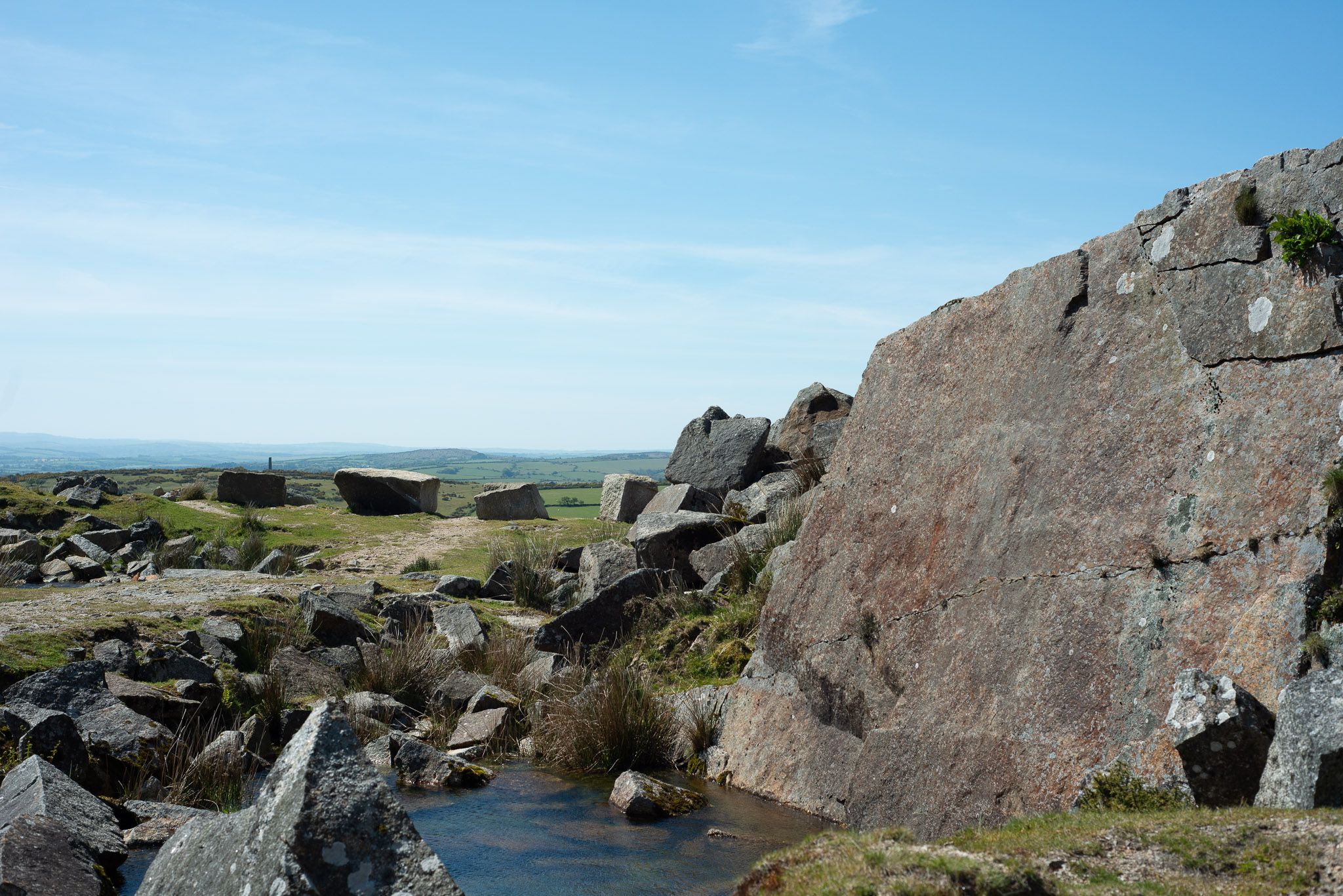
Where your stone comes from matters — for provenance, for carbon, and for the look. Locally quarried Cornish stone travels shorter distances, supports regional craftsmanship, and carries a genuine sense of place that imported stone can’t replicate. We’re committed to sourcing responsibly, investing in our local economy and using business as a force for good, so you can choose beautiful stone with a clear conscience.
Still not sure? Ask an expert
If you’re weighing up options, you don’t have to decide alone. Our in-house experts, including a qualified geologist, can help you match stone, choose a finish and get quantities right for your project. Browse our full walling stone range, or get in touch and we’ll help you find the perfect stone — and deliver it across Cornwall, Devon and mainland UK.
17 Aug 2026
Share article:

Where quality meets sustainability
Our in-house experts, including a qualified geologist, can assist with matching and technical guidance. Trust us to source and deliver the perfect stone for your project.